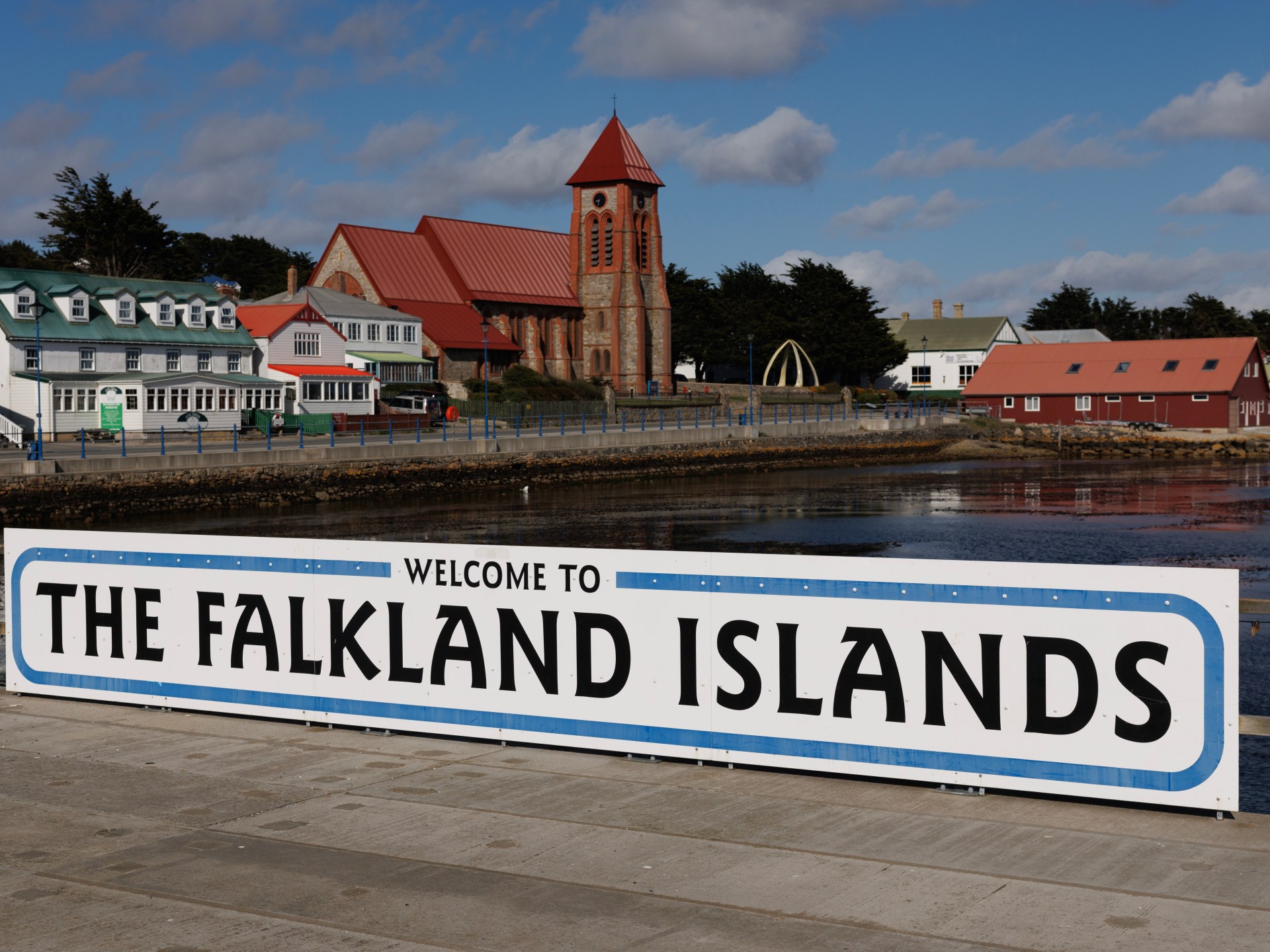
An international tribunal has denied Argentina's request for a temporary injunction against United Kingdom-authorized oil drilling in the vicinity of the Falkland Islands. This decision, handed down by the International Tribunal for the Law of the Sea on Saturday, serves as a setback to Buenos Aires' recent attempts to contest economic activities around the disputed territory. The ruling comes amidst ongoing tensions between the two countries, which had previously engaged in a brief yet intense 74-day war in 1982 over the UK-administered islands located in the South Atlantic.
In September, Argentina initiated an arbitration process against London regarding the Sea Lion project off the Falklands, led by the UK's Rockhopper company and Israel’s Navitas. Buenos Aires asserts that this venture contravenes a United Nations resolution urging both parties to abstain from unilateral actions until their disagreement over the sovereignty of the islands is settled. Argentina has implored the court to impose immediate measures and direct the UK to take steps to prevent further oil drilling and infrastructure installation in the North Malvinas Basin, and to refrain from utilizing information obtained during exploration of the contested maritime areas.
The Sea Lion oil field is situated approximately 220km (135 miles) from the islands, which lie around 600km (372 miles) off Argentina's Patagonian coast and nearly 13,000km (8,077 miles) from the UK. Argentinian President Javier Milei has reaffirmed his country's claim over the Falklands, known in Argentina as Las Malvinas, following US President Donald Trump's expressed openness to reassessing Washington's stance on the territory. In response to the ruling, Milei stated that Argentina will persist in its efforts to halt the project, asserting that this decision is not the final word.
The Falkland Islanders voted overwhelmingly in 2013 to remain under UK administration. However, Argentina disputes this outcome, contending that the principle of self-determination does not apply to a population it considers to have been implanted by the UK after 1833. The UK has argued against the case, stating that it is grounded in Argentina's claims to sovereignty, which fall outside the UN Convention on the Law of the Sea's arbitration process intended for settling maritime disputes.